
A child can usually leave the crib for a bed around age 2 to 3, going by the hospital pages we read, and a twin is one option they list, and the AAP’s parent pages go by readiness signs instead of age. Nationwide Children’s Hospital says most children move to a bed by age 2, while UPMC says the move typically occurs between 2 and 3.
The signs are concrete: climbing out of the crib, or reaching about 35 inches. We found no AAP page naming a set age for a twin. Two limits do apply. A twin is never for a baby under 1, and CPSC says portable bed rails should never be used for children under 2, which matters if you want rails.
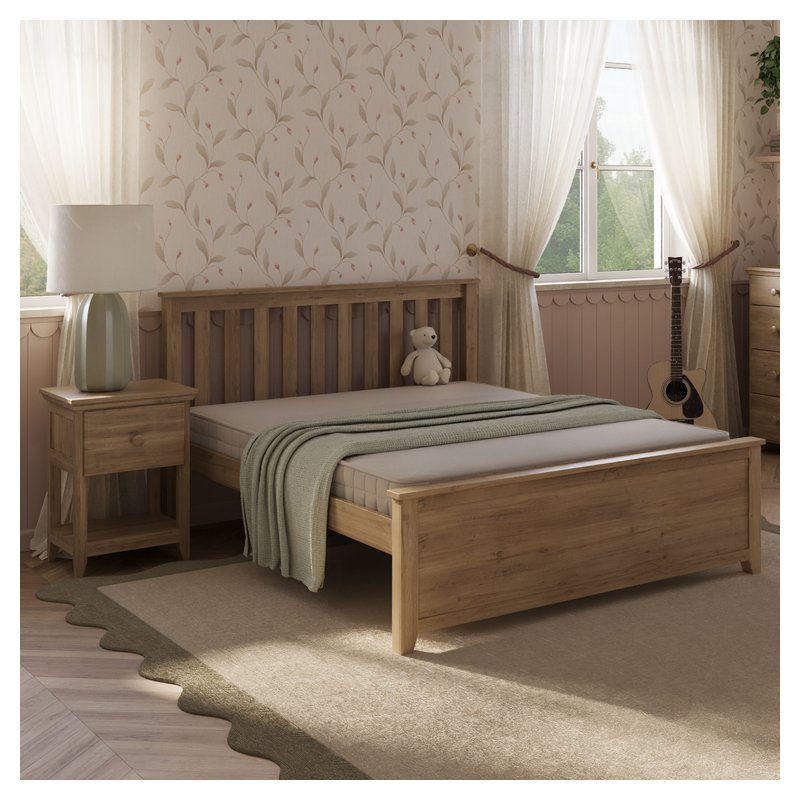
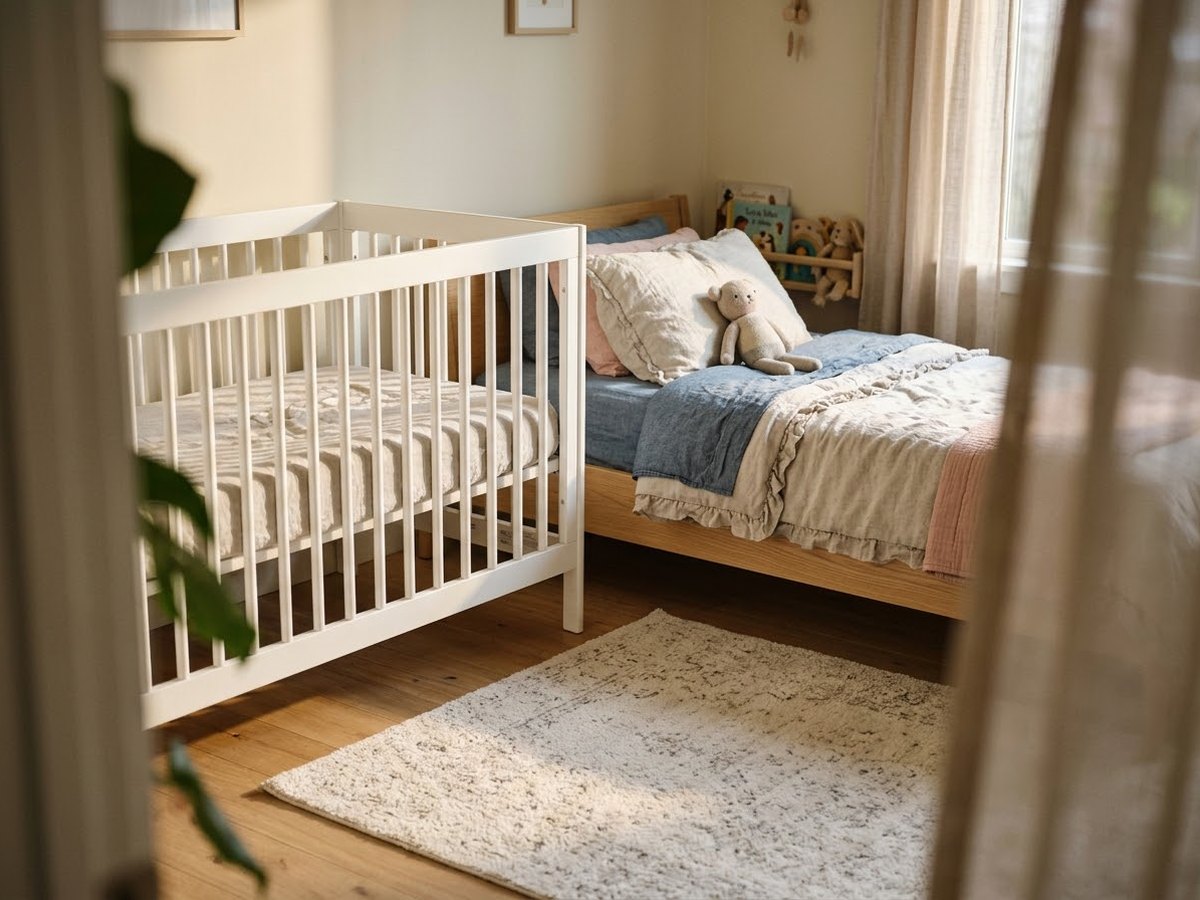
What the AAP pages and hospitals say about age
The sources give signs and ranges, and they don’t all match. Here is what each one says.
| Source | What it says |
|---|---|
| HealthyChildren.org (AAP), Make Baby’s Room Safe | Move a child to another bed at 35 inches (89 cm) tall, or when the side rail is below three-quarters of the child’s height |
| HealthyChildren.org (AAP), Choosing a Crib | Leave the crib at “about 3 feet tall” |
| HealthyChildren.org (AAP), Big Kid Beds | Once a toddler can climb out of the crib, it may be time for a big-kid bed |
| Nationwide Children’s Hospital | Most move to a bed by age 2; signs are 35 inches tall or a leg on or over the top rail |
| UPMC | The move typically occurs between ages 2 and 3 |
| CHOC | Parents can use a convertible crib first or “head straight to a twin bed” |
| Sleep Foundation (editorial) | Toddlers often leave cribs between about 18 months and 3 years |
The two AAP height figures differ by about an inch, 35 inches on one page and about 3 feet on the other. Neither page is about twin beds specifically. Age statements come from hospitals and editors, and we found no AAP page saying a 2- or 3-year-old can or can’t use a twin.
One point isn’t in question. A twin is not for a baby under 1. The AAP’s safe sleep recommendations apply up to 1 year, and its technical report notes that many mattresses for older children or adults contain memory foam or adjustable firmness, which it gives as a reason they are unsafe for infants.
Signs it may be time to leave the crib
These are the signs the sources name. Any one of them is a prompt to start planning, not a deadline.
- Climbing out. HealthyChildren.org names this as the point when it may be time for a big-kid bed.
- A leg on or over the top rail. Nationwide Children’s lists this as a readiness sign.
- Height. 35 inches on one AAP page and Nationwide Children’s, about 3 feet on another AAP page.
- Rail height. HealthyChildren.org says to move on when the side rail falls below three-quarters of your child’s height.
Once you have decided, the six things to check on a twin will help you narrow the list.
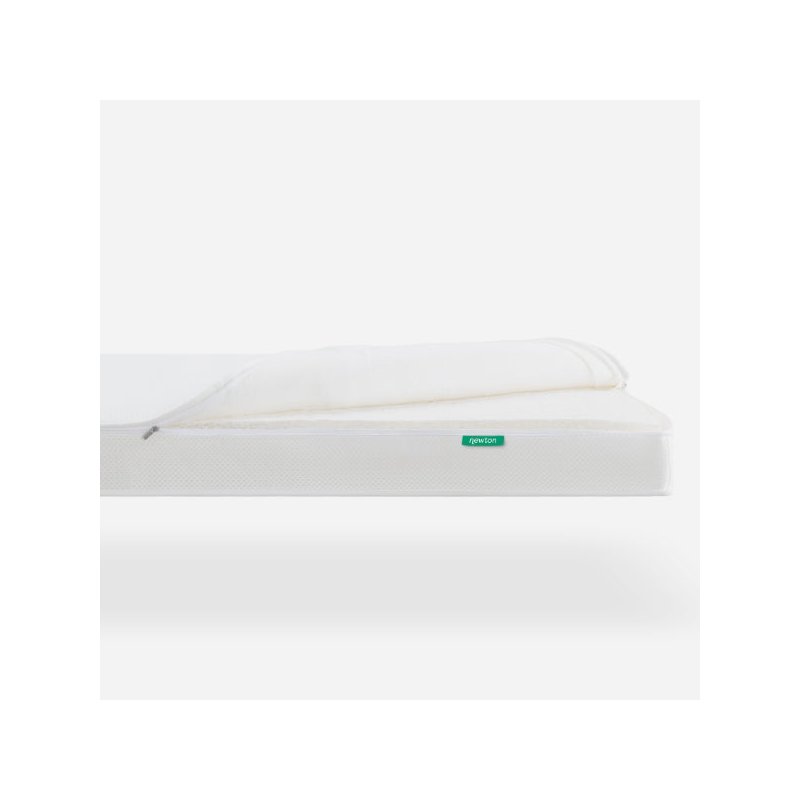
Low profile, no foam or coils · Mid-range price range
Newton Baby Kids’ Twin
At 5.5 inches, with a polymer core Newton calls Wovenaire. Newton says the cover is water resistant and suggests a waterproof pad. Sleep Foundation rates it firm, while Newton says it is less firm than a crib mattress.
See full specs ›Twin, toddler bed or a mattress on the floor
A twin frame isn’t the only next step. The sources describe several, and each has a catch.
| Option | What sources say | What to watch |
|---|---|---|
| Twin bed with rails | UPMC lists twin-sized beds with safety rails as an option; CHOC says parents can go straight to a twin. | CPSC’s under-2 limit on portable rails. Sleep Foundation says a twin may feel big for a younger child. |
| Toddler bed | CPSC describes a bed sized for a full-size crib mattress, for children at least 15 months old, up to 50 pounds. Naturepedic says you can usually keep your crib mattress. | The weight limit means you buy again later. |
| Crib mattress on the floor | HealthyChildren.org suggests this while you wait for a new bed, or if you are worried about falls. | Short-term, and the mattress is much smaller than a twin. |
| Twin mattress on the floor | UPMC lists this as a way to avoid falls. | Sleep Foundation warns of mildew or mold, especially in warm or humid rooms, and says it may void a warranty. |
The floor is where sources disagree most. Naturepedic says placing its mattress directly on the floor will void its warranty, and Casper says some makers may do the same. Read our guide to a twin mattress for a floor bed before choosing that route.
Rails, falls and the room around the bed
A study in the American Journal of Emergency Medicine estimated about 3.4 million U.S. children under 5 were seen in emergency departments for bed and sofa injuries from 2007 through 2021, with falls the main mechanism at 68%. A few steps from the sources address the setup directly:
- Portable bed rails: CPSC says they are for children aged 2 to 5 who can get out of an adult bed on their own, and should “never be used with children younger than two years old.”
- No gaps: CPSC says gaps around rails have trapped young children. Nationwide Children’s says rails should sit flush against the mattress and frame with no openings.
- Soft landing: CHOC suggests a soft rug or pillows beside the bed in case of falls.
- Doors and stairs: HealthyChildren.org advises safety gates at the bedroom door and the top of the stairs.
- Pillows: Nationwide Children’s says not to use a pillow before age 2.
- Top bunks: Nationwide Children’s says not to use an upper bunk or other raised bed for children under 6.
Ask your pediatrician if you’re unsure about timing, or if the move comes with ongoing sleep problems. Hospital pages give general signs, and they can’t judge your child’s situation.
Which mattress fits this age
No medical body sets a firmness for children older than 1. Sleep Foundation, an editorial guide, says most toddler mattresses are medium-firm or firm, at 6 to 7 on its scale, because toddlers move around at night.
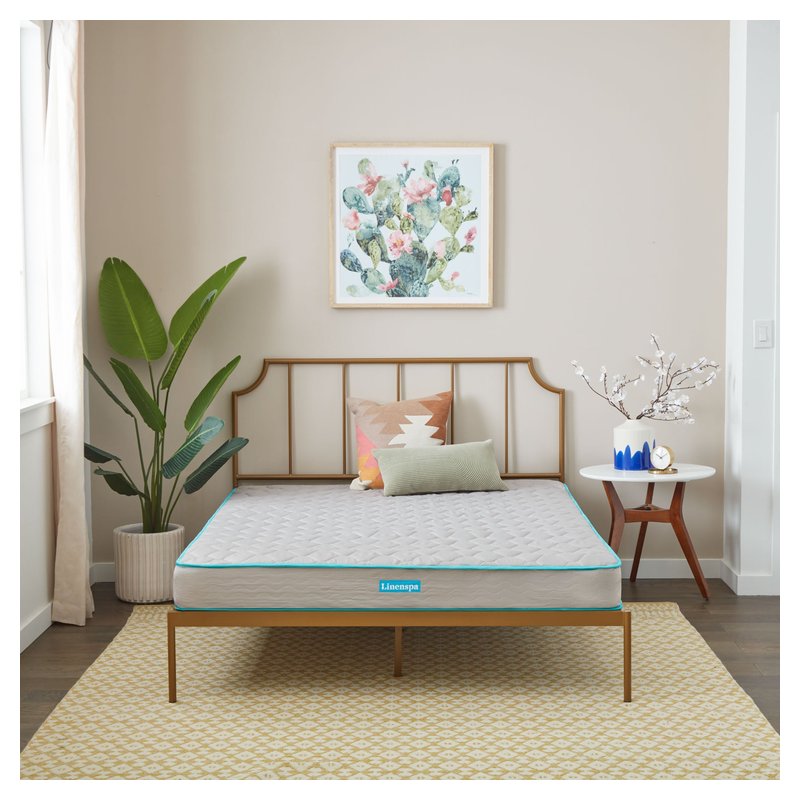
Memory foam is the open question. Sleep Foundation says toddler foam should be polyfoam, since it considers memory foam less safe for young children. Yet its kids’ guide lists a memory foam pick without stating an age. Given that split, we point toddlers first to the Naturepedic 2-in-1, Newton, Linenspa 6-Inch or the Helix firmer side. Our full comparison is in the best twin mattresses for toddlers.
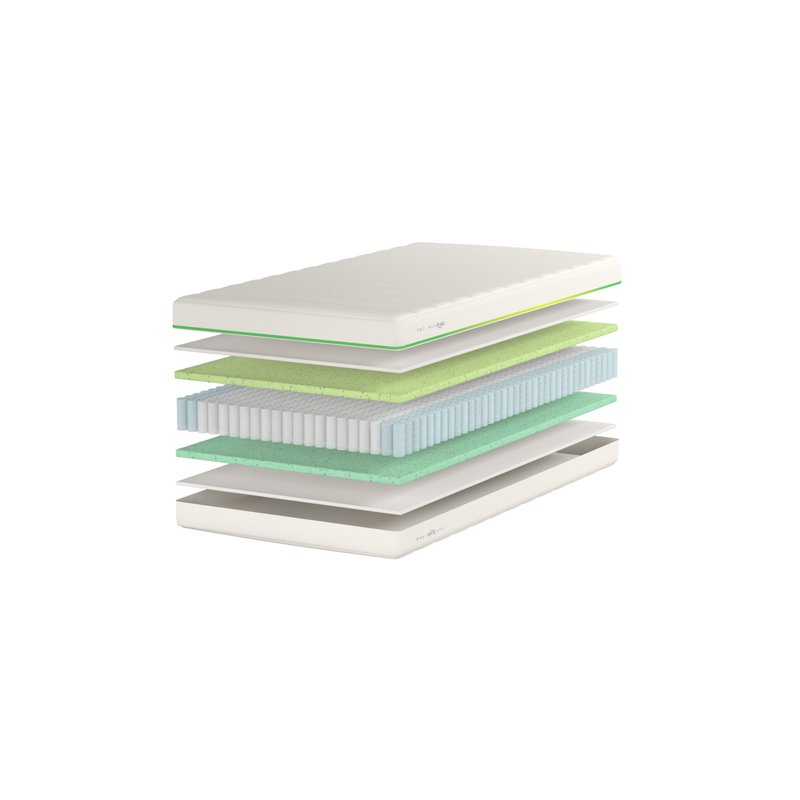
A side for later years · Premium price range
Helix Kids 8-Inch
Helix sets the firmer side, in Helix Responsive Foam, for ages 2 to 7 and the softer side, in gel memory foam, for ages 8 and up. Older editorial coverage cites 3 to 7 and 8 to 12. The cover has a water-repellent finish, not a waterproof one.
Check sizes & height ›Honest note
The sources don’t answer everything. None we read gives a maximum bed height for a toddler’s twin, and a twin frame can put a child well above a crib mattress on the floor. Sleep Foundation also says a twin may feel big for a younger child. We have not tested or used these mattresses ourselves; specs come from the brand or the source named.
Questions people ask
Can a 2-year-old sleep in a twin bed?
Hospital pages list it as an option, not a rule. CHOC says parents can head straight to a twin, and UPMC lists twin beds with safety rails for the move it places between ages 2 and 3. We found no AAP page that says a 2-year-old can or can’t.
Can a child under 2 use a twin bed?
Beyond never under 1, the sources set no minimum age, though they do limit how you’d set it up. CPSC says portable bed rails should never be used for children under 2. Sleep Foundation says toddlers often leave cribs from about 18 months. It is never for a baby under 1.
Does my child need rails on a twin bed?
Not every source says so, but UPMC lists twin beds with safety rails, and CPSC says portable rails are for ages 2 to 5. Nationwide Children’s says guardrails should sit flush with the mattress and frame, and CHOC suggests a soft rug or pillows beside the bed.
How tall should my child be to leave the crib?
About 35 inches, by most of these sources. HealthyChildren.org gives 35 inches on one page and about 3 feet on another, and Nationwide Children’s also says 35 inches. HealthyChildren.org adds that the side rail falling below three-quarters of your child’s height is another signal.
Should I buy a toddler bed first?
It’s optional. CHOC says parents can head straight to a twin, and Naturepedic says skipping the toddler bed simply means you’ll need a twin mattress. A toddler bed reuses your crib mattress, says Naturepedic, while CPSC describes those beds as limited to 50 pounds.
Read first: best twin mattress for kids · best twin mattresses for toddlers
Sources: HealthyChildren.org: Big Kid Beds · HealthyChildren.org: Make Baby’s Room Safe · Nationwide Children’s: Moving from crib to bed · UPMC: Moving a child to a toddler bed · CHOC: Moving a toddler into a big bed · CPSC: Federal standard for portable bed rails
This article is general information, not medical advice. Specifications and certifications are each brand’s own and can change. Ask your pediatrician about a child’s sleep, back pain, bed-wetting or allergies, and follow the bed and mattress maker’s instructions.